Take Action Today
How to Become a Winter Bird Hero in 3 Easy Steps
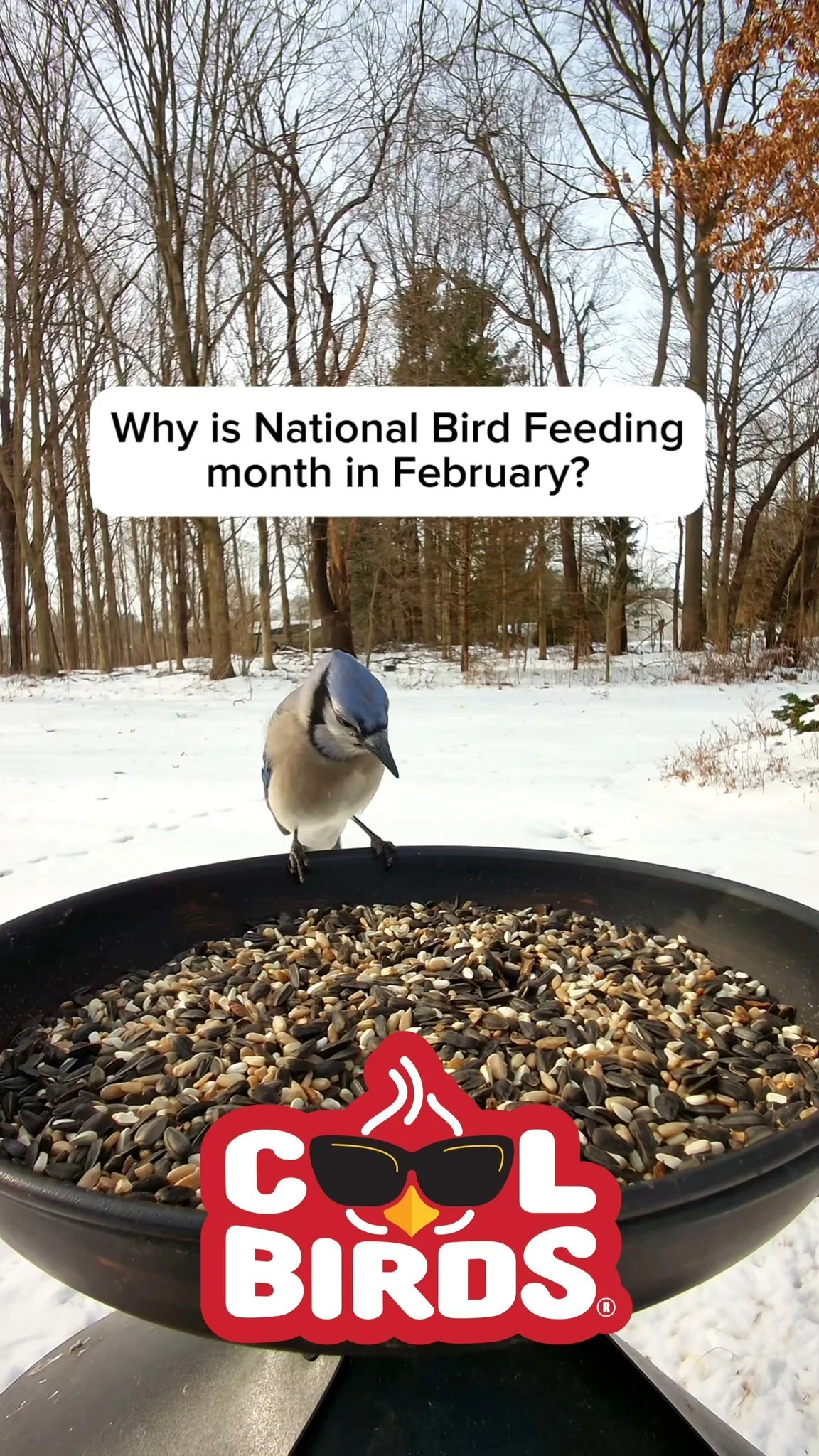
February is National Bird-Feeding Month, the perfect time to show your backyard birds a little extra love. Winter can be tough on wild birds, with food harder to find, water often frozen, and fewer safe places to find shelter. By focusing on three simple essentials — offering high-energy bird food, fresh water, and safe shelter — you can make a real difference for the birds in your area and help them thrive through the coldest months of the year. Here’s how to get started!

Offer High Energy Bird Food
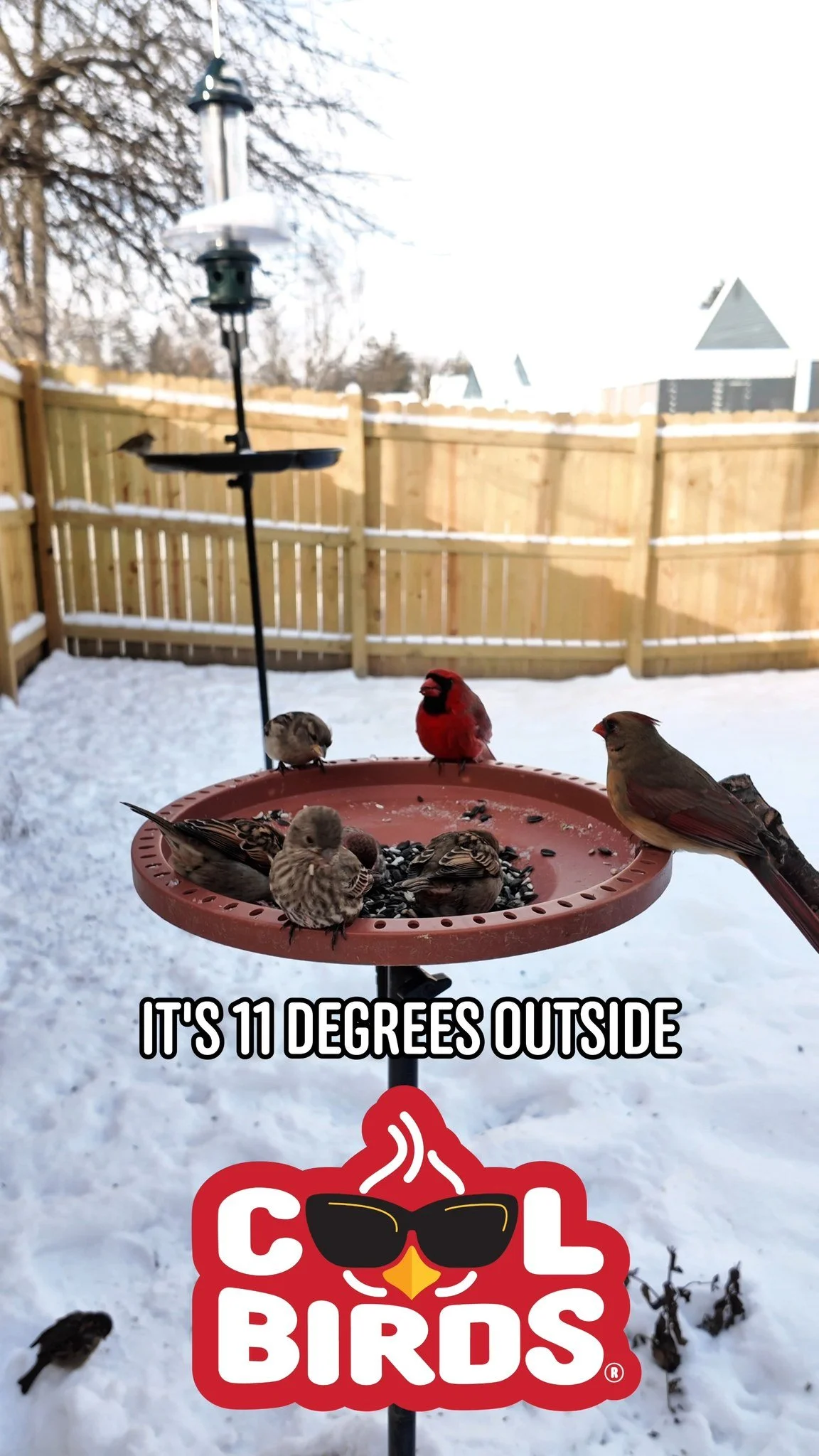
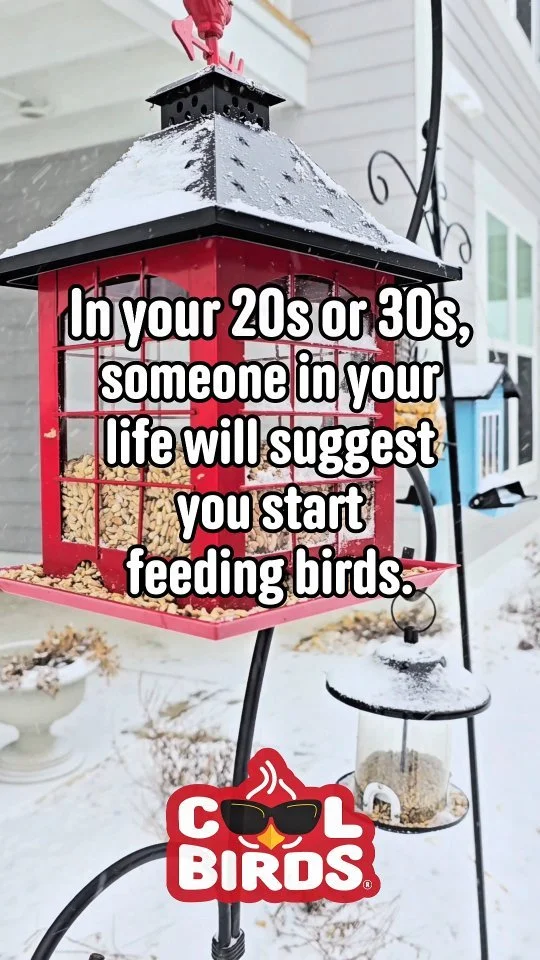
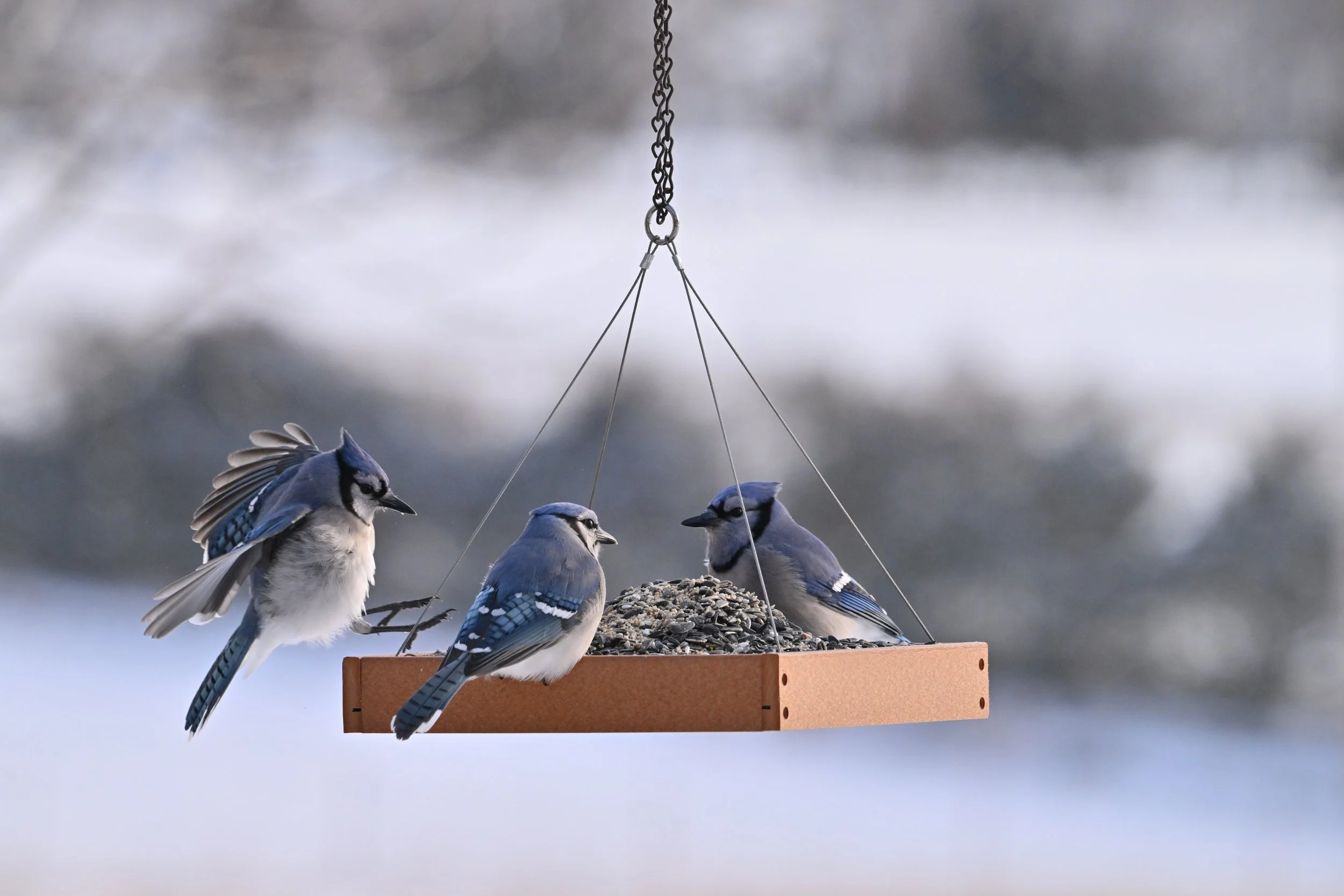
During the winter months, birds’ natural sources of food are scarce and hard to find. Providing a feeder full of bird food helps them survive. However, what’s in the feeder is even more important during the winter months.
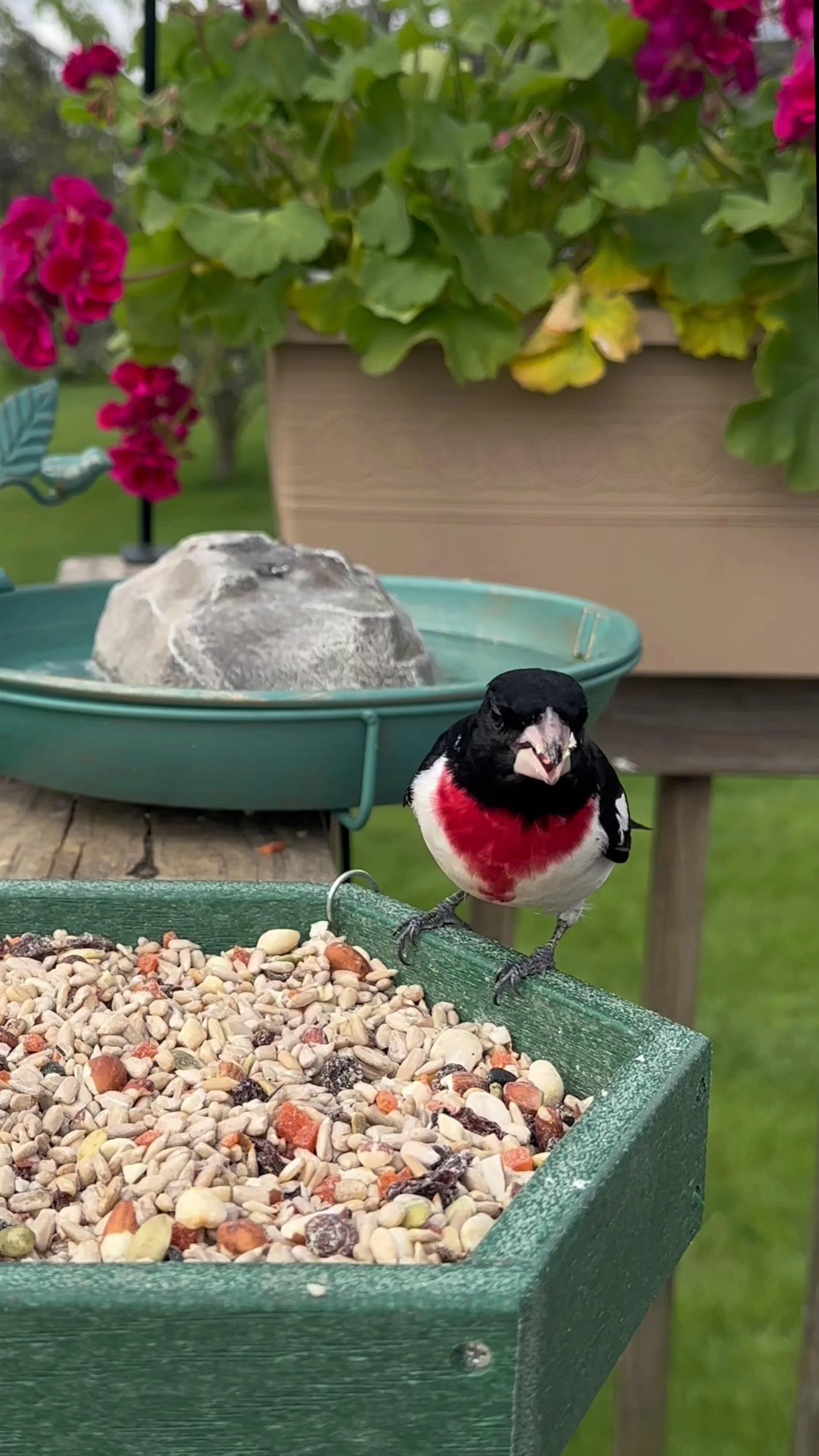
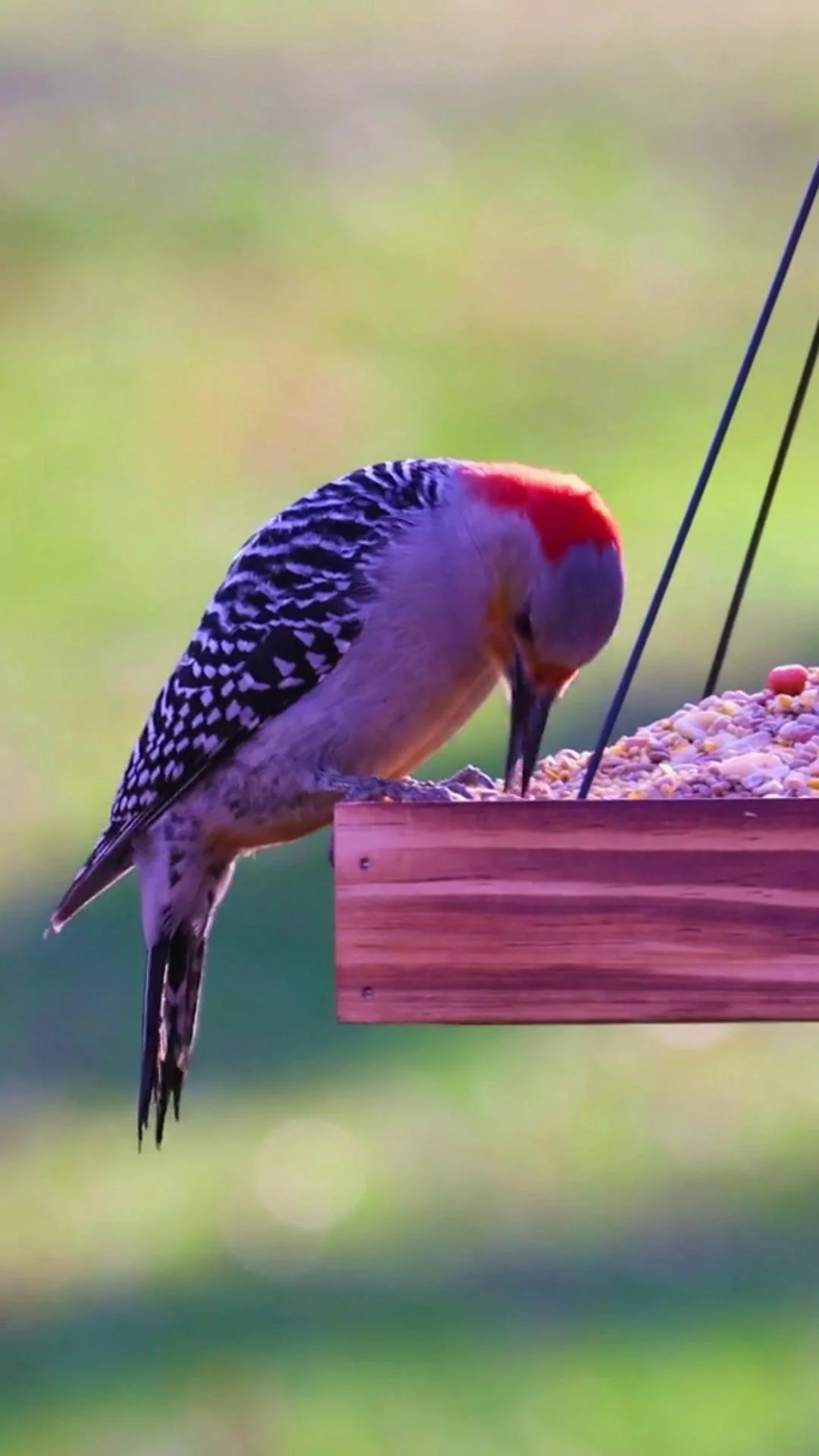
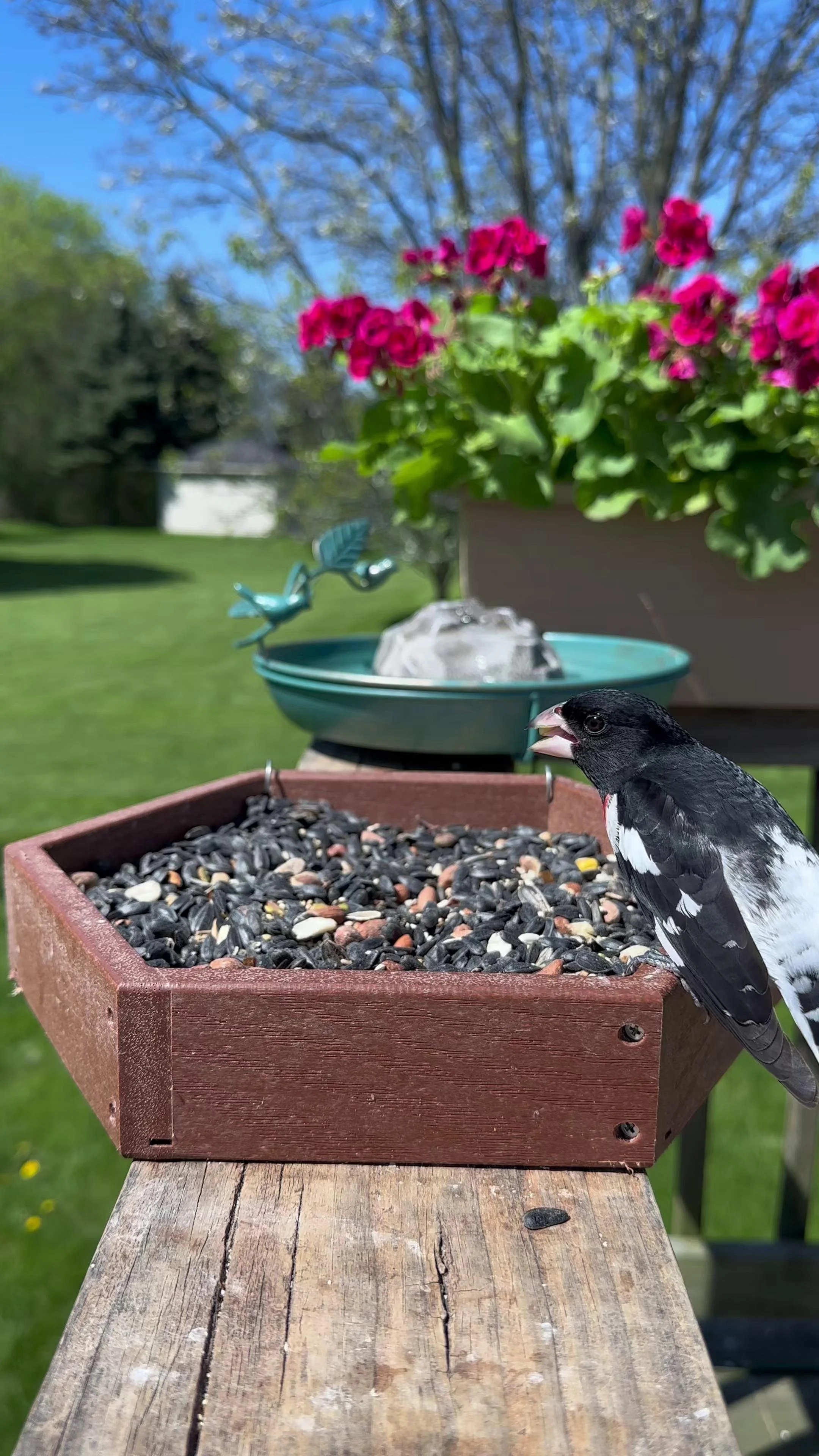
Wild birds need extra energy-rich foods to help them stay warm during extreme cold weather. High-energy foods like sunflower seeds, nuts, and suet are excellent sources of healthy fat.
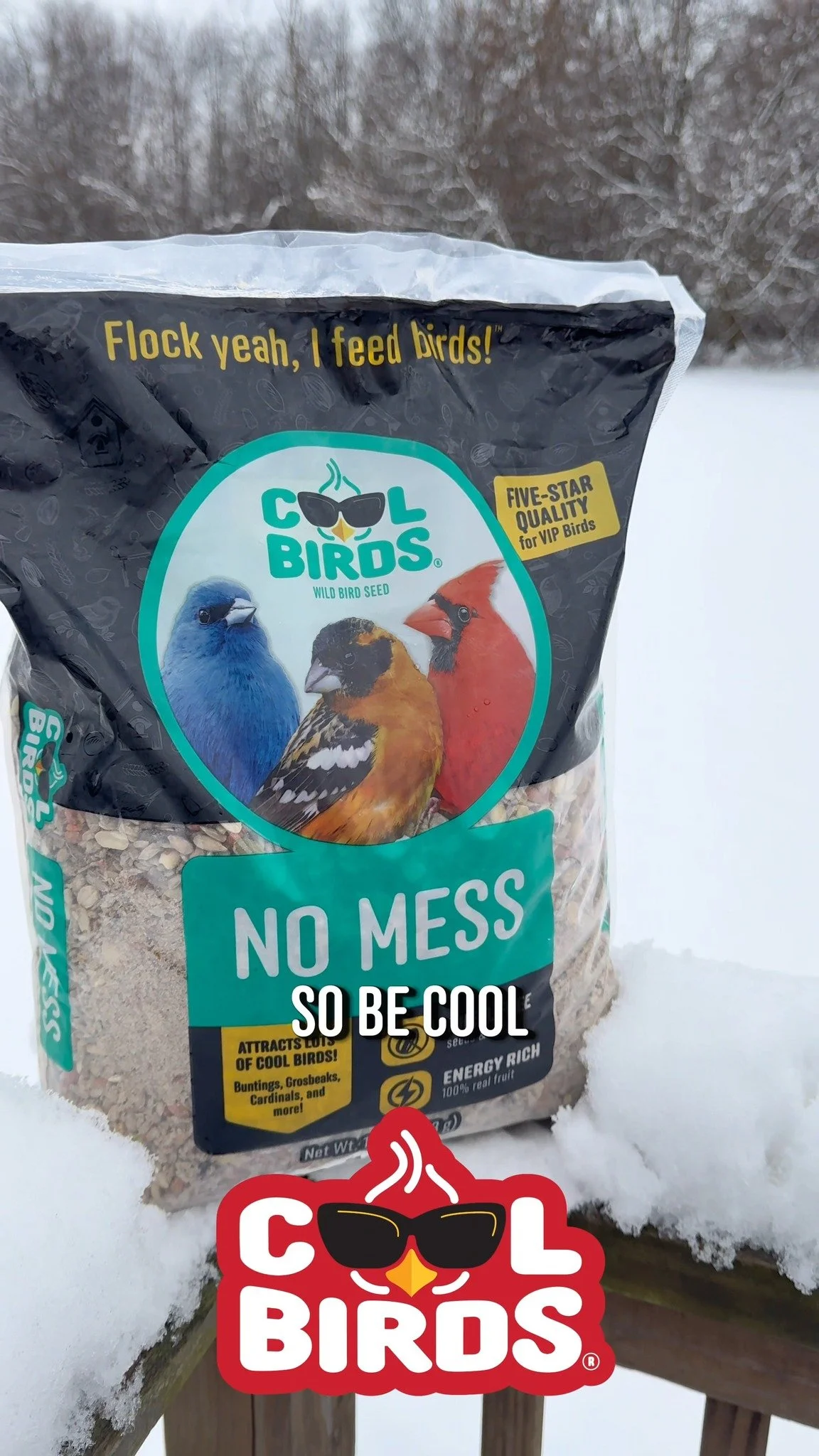
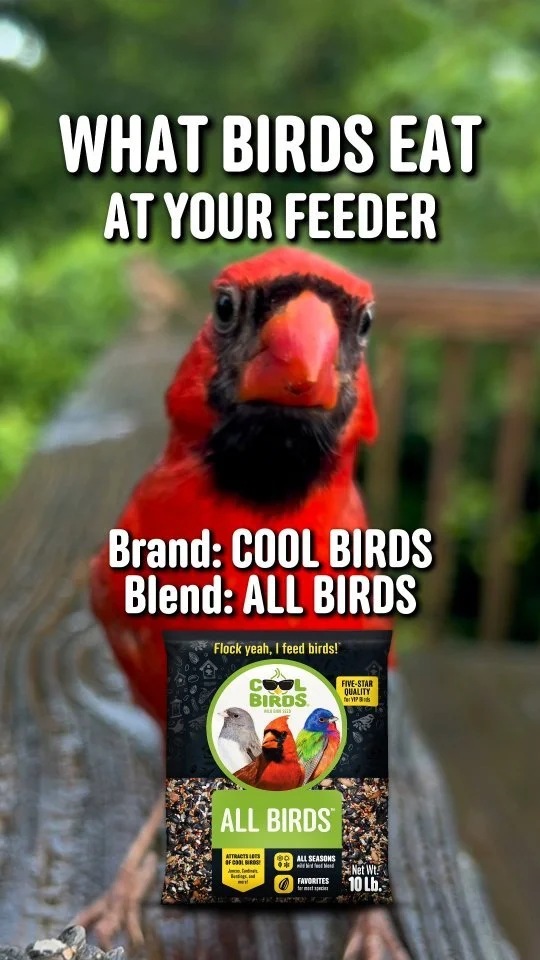
Shell-free sunflower hearts and nuts are winter favorites because birds don’t have to waste extra energy cracking shells. They can simply perch, eat, and get back to staying warm. Try 100% sunflower hearts from our friends at Audubon Park or offer a tasty shell-free blend packed with favorites from COOL BIRDS!
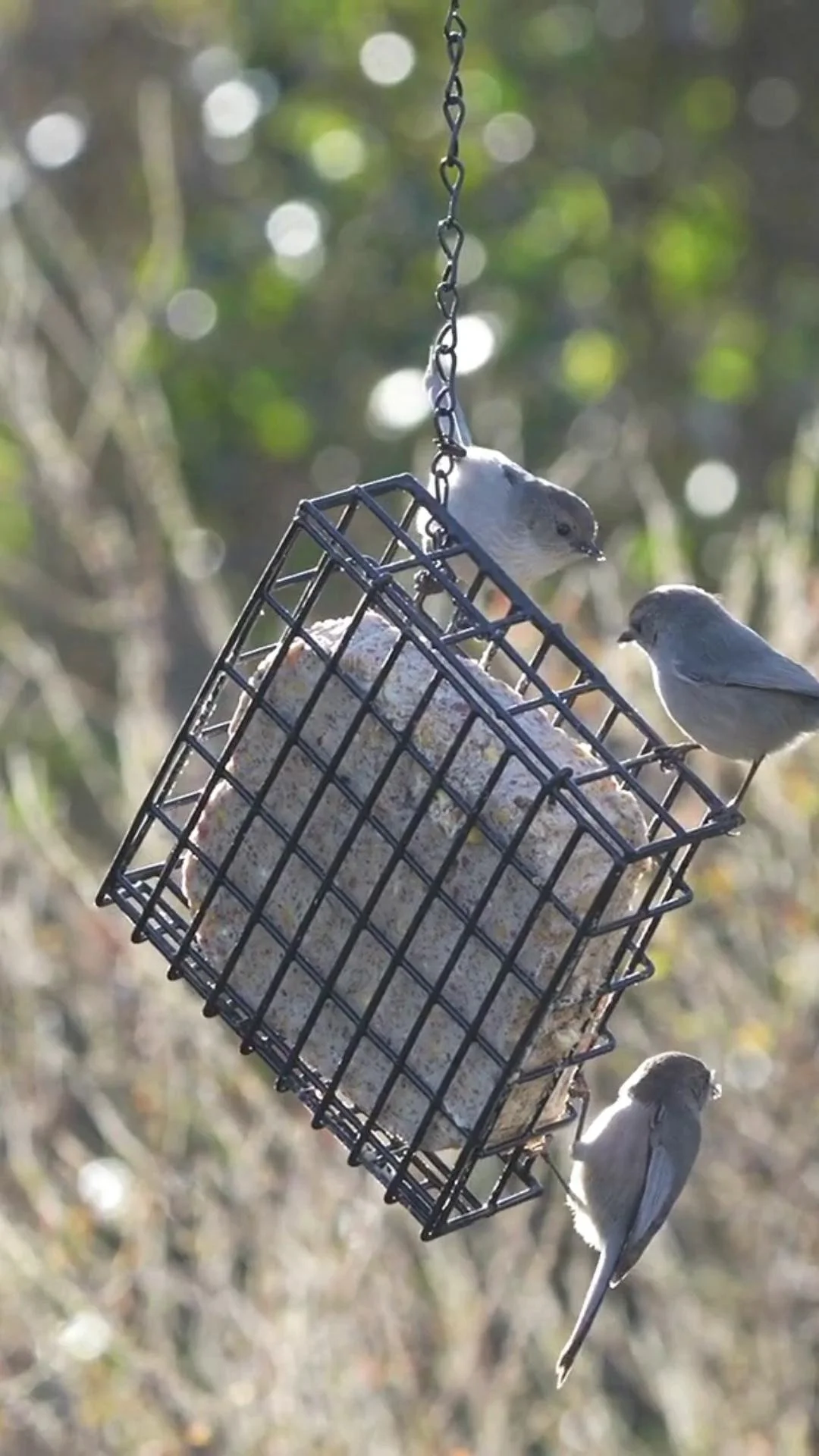
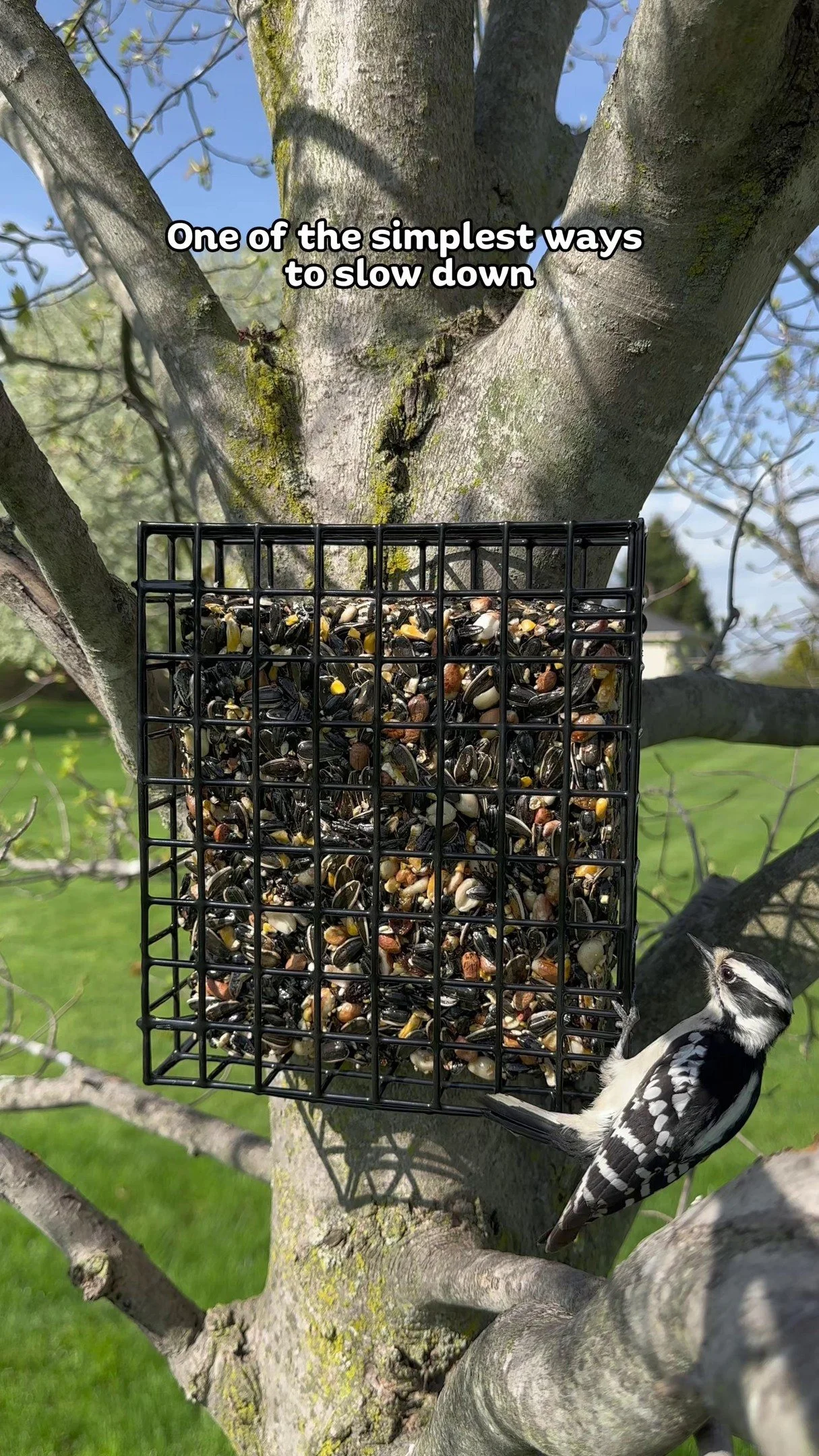
High-energy suet is another cold-weather must-have, especially for birds with omnivorous diets. Made with rich fats and often blended with seeds, nuts, and grains, suet delivers a hearty, all-birds-can-enjoy meal. Explore a variety of delicious suet flavors from Audubon Park, a trusted wild bird food brand for over 60 years.

Offer Water
Fresh water can be hard for wild birds to find in winter, especially when natural sources freeze over. Help them stay hydrated by setting out a bird bath with a heater to keep the water from freezing. It’s an easy way to support birds during cold weather—and a great way to attract even more feathered visitors to your yard.

Offer Safety
Wild birds live outdoors year-round, but they still appreciate a safe, cozy spot to ride out extreme weather. Place a birdhouse in a sheltered area of your yard, at least 5 feet off the ground. If you hang it from a tree, secure it to a sturdy branch. If you mount it on a pole, make sure the pole is firmly set in the ground. Position the entrance so it faces away from strong winds to help keep birds warm and protected.
From all of us at National Bird-Feeding Month, thank you for helping your backyard birds thrive this winter and all year! Make sure you help spread awareness by inviting all your friends and family to participate in this important month.

“Connect with Nature”

“Join the Flock”