Seasonal Support: Feeding Birds All Year
How to Support Your Backyard Birds Throughout the Seasons
Feeding wild birds is particularly important during the winter season, but it’s also important throughout the entire year. Every season provides a unique opportunity to help your backyard birds thrive, whether it’s by providing the best nutrition for the season, a safe place to nest, or some fresh water. Check out how your contributions help wild birds throughout the seasons.
Winter
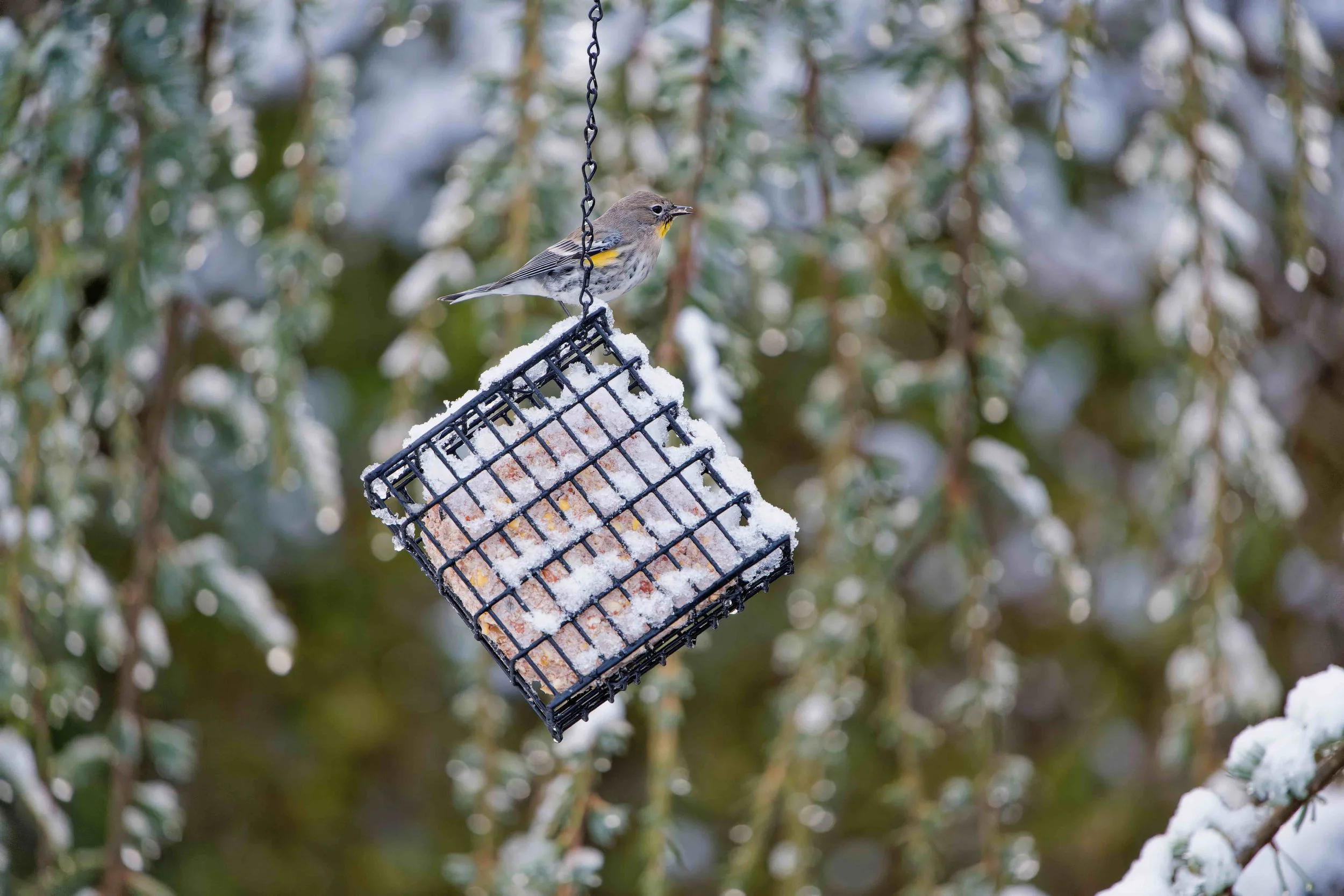
During winter, natural food sources become harder for wild birds to find, making backyard feeders an important part of their daily routine. Cold temperatures mean birds need extra calories just to maintain their body heat, and many will burn even more energy searching for food beneath snow and ice.
Filling your bird feeders with energy-rich favorites like sunflower seeds, nuts, and suet gives birds the healthy fats they need to stay warm and active. By keeping your feeders stocked with high-energy wild bird food blends, you’re helping reduce the energy birds spend foraging—so they can focus on staying warm, safe, and ready for spring.
Spring
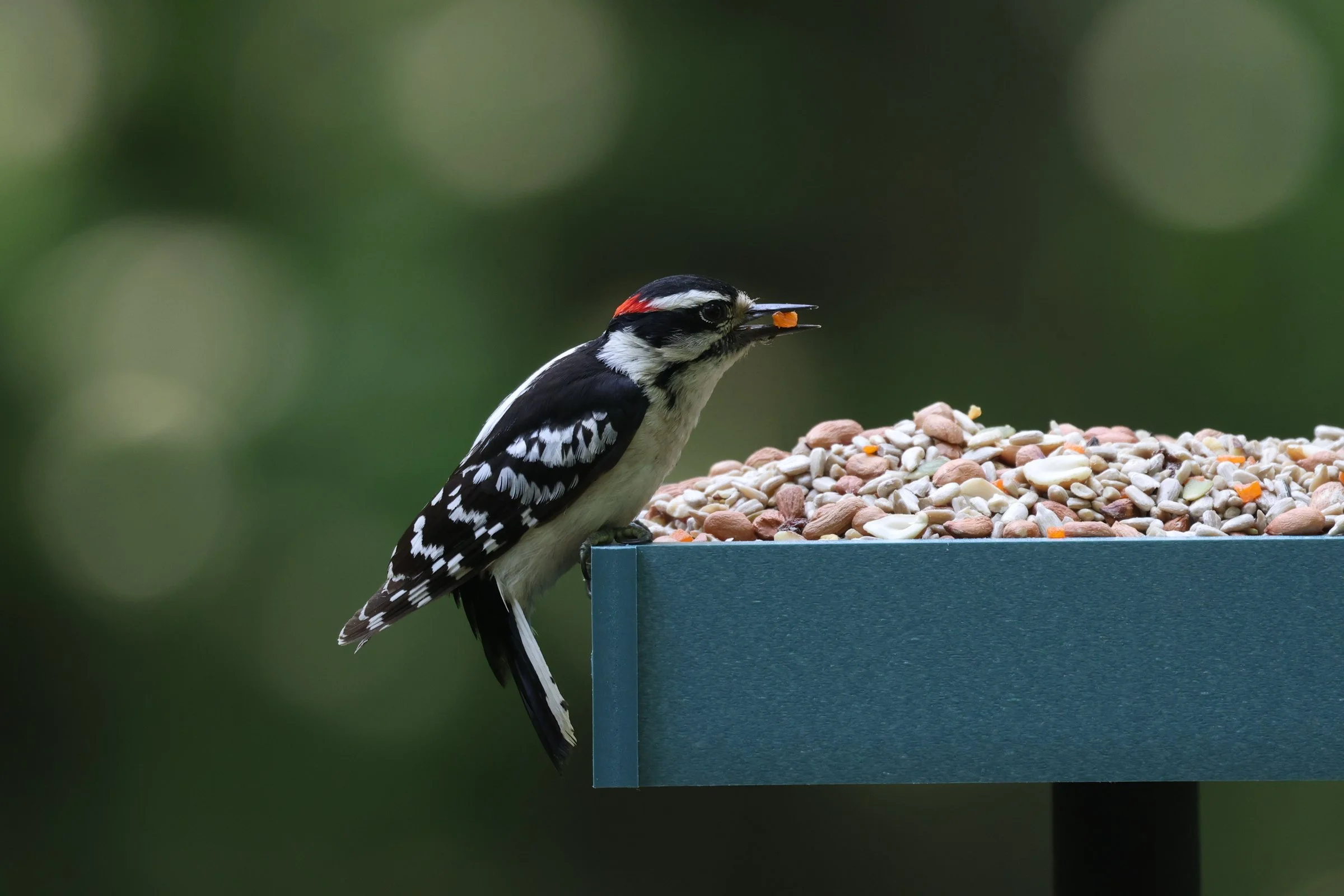
Spring is migration and nesting season, so wild birds need extra energy for their long flights north and for building nests. Whether birds are flying from Mexico or South America to the United States or Canada, their migration path may be over your backyard. Make sure your yard is a top-notch pit stop offering nutritious food and refreshment to fuel their journeys.
In addition to spring migration, it’s also nesting season. Support wild birds with protein-rich wild bird seed blends that include ingredients like black oil sunflower seeds, sunflower hearts, safflower seeds, nuts, and dried mealworms. Fruit, both dried and fresh, also offers a good source of natural sugars for a burst of energy.
Don’t forget to plant native flowers and shrubs to help attract more birds to your yard. Some popular favorites include sunflowers, coneflowers, zinnias, and elderberries.
Summer
During the summer, birds are busy raising their young. They need protein for their nestlings, so continuing providing wild bird seed blends with protein-rich seeds, nuts, and dried mealworms.
Make sure your birdbath is always full of fresh, clean water so wild birds have a reliable place for bathing and drinking. Not only does this provide essential hydration, but it also helps attract unique birds to your yard that you wouldn’t see at a bird feeder.
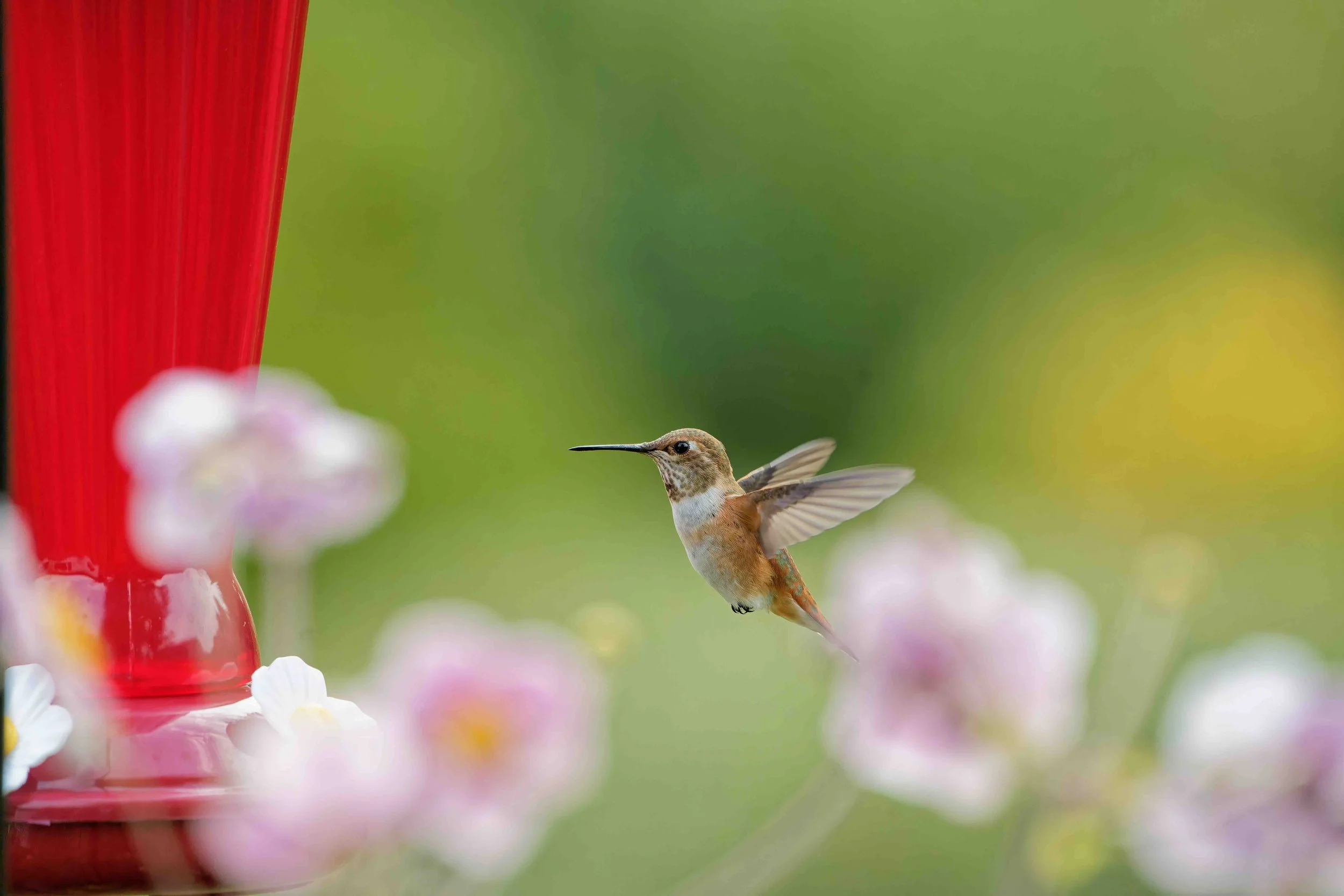
Help support birds that have more a “sweet beak” by offering nectar, fruit, and jelly. Hummingbirds, Orioles, Red-bellied Woodpeckers, and Yellow-rumped Warblers love sugar water, so keep your feeders filled with sweet nectar to attract them to your yard. Fresh oranges and jelly (with no artificial sweeteners) are a great way to attract unique fruit-loving birds like Orioles and Tanagers.
Fall
One of the most exciting things about feeding birds in autumn is the chance to attract migrating birds to your yard. Migratory birds travel hundreds of miles and need thousands of calories to get to reach their wintering grounds, and your backyard feeders may help fuel their journey. Some people fear that feeding birds in fall will prevent birds from migrating, but that is not true. It’s primarily daylight levels that affect when birds migrate not readily available sources of food.
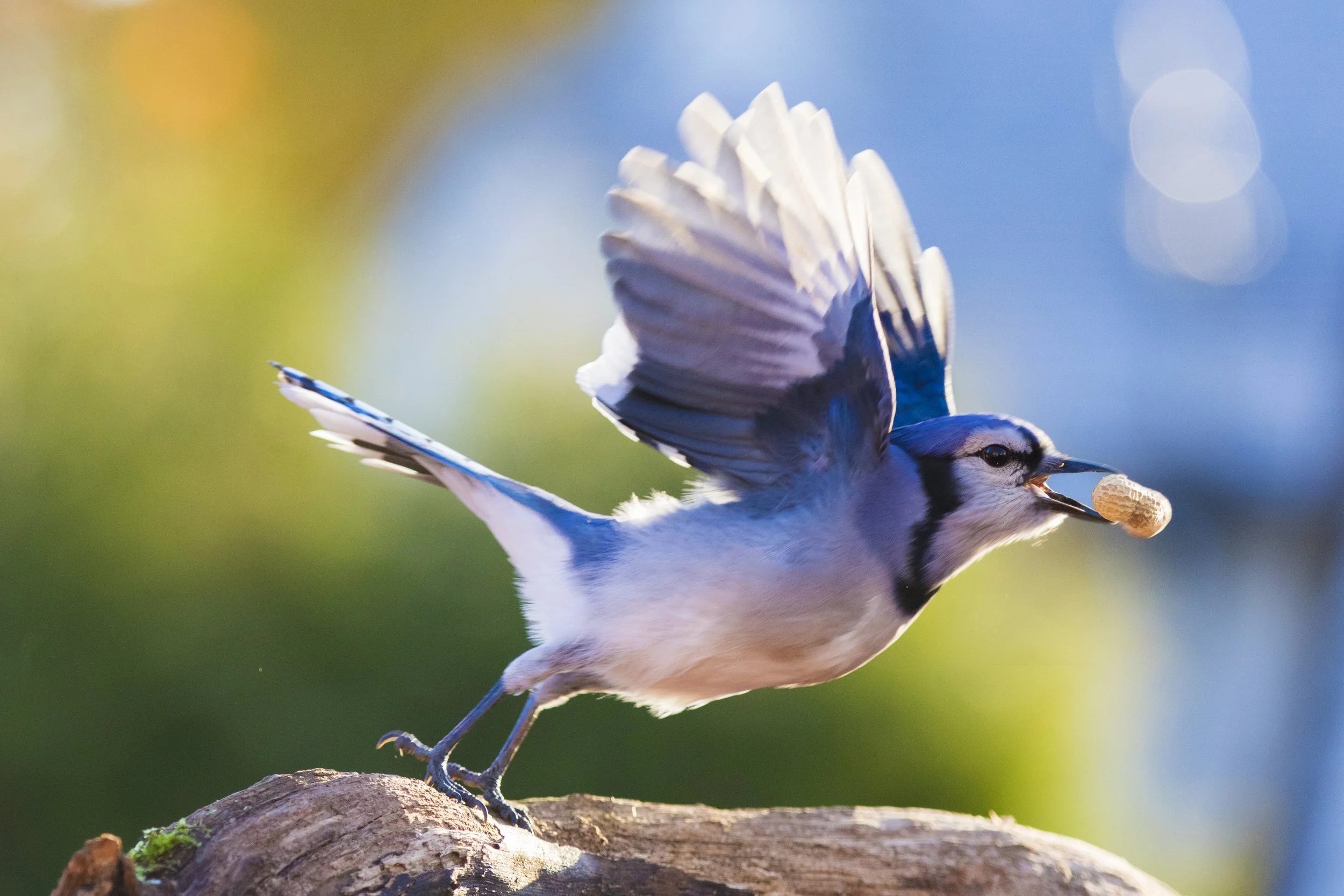
A common fall activity for your year-round resident birds is caching. Wild birds like jays and chickadees store thousands of seeds and nuts every year to help them survive the winter. They store them in under bark, in tree cavities, in human structures ─ any place they deem a safe storage place ─ and they remember each unique hiding spot.